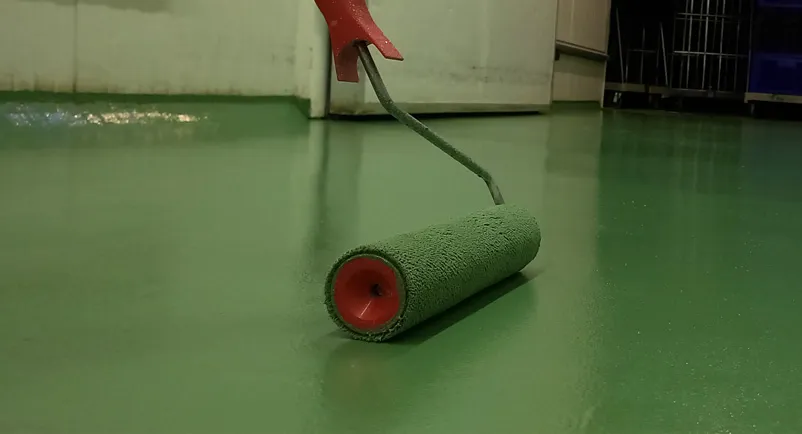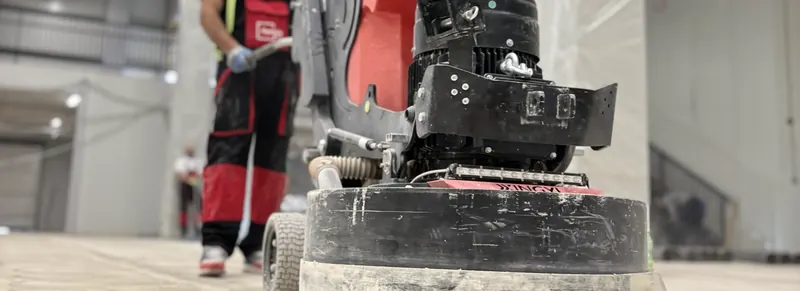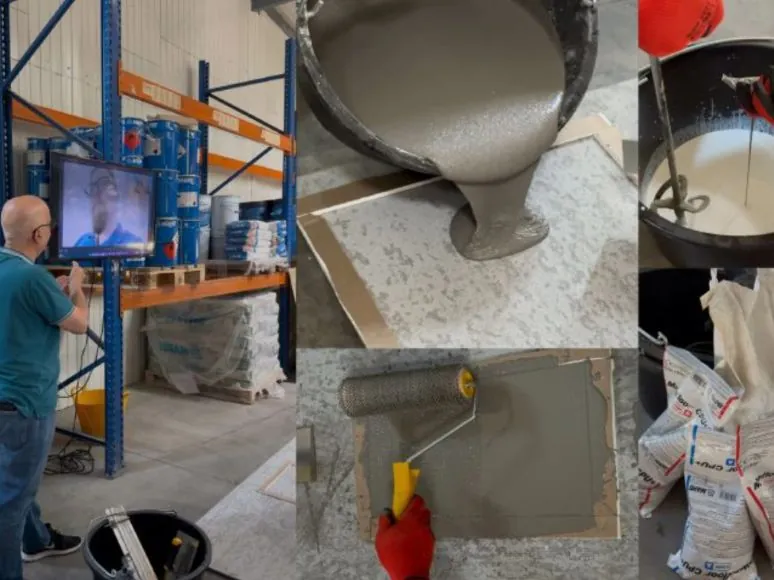
The right use of an epoxy floor depends on what the floor is ultimately for. In the industrial sector a 2–4 mm polyurethane floor is recommended. An epoxy floor calls for professional knowledge of polymer technology and high-quality installation work.
An industrial epoxy floor is a type of polymer floor, 2–5 mm thick, installed to a high professional standard with the best materials and the right technology for the loads it is expected to carry.
Epoxy floors have a few minor drawbacks in use: surface scratches can appear, and UV resistance is not 100%. In private homes, where loads are light, the main focus is on the look of the surface rather than the technical performance of the polymer floor.
Our priority is knowing how to install polymer floors with high-quality materials only, and carrying out installation of systems of any complexity.
Applications
Food industry
Pharmaceutical plants
Laboratories
Clinics
Maternity hospitals
Hospitals
Warehousing
Indoor car parks and garages
Apartments and country houses
Interiors
Advantages
Surface
Glossy / smooth
Chemically resistant
Mechanically resistant
Wear-resistant
Seamless, dust-free
Hygienic
Easy to maintain
Non-slip
Frequently asked questions
How do you look after an epoxy floor?
Every floor needs some care, and an epoxy surface is no exception. It can be cleaned in two ways: mechanically and chemically. The best result comes from using both methods together.
A resin floor does not produce dust itself, but it gathers dust from other sources, and dirt particles act as an abrasive under traffic. For the pharmaceutical, cosmetics and food industries, hygienic floors are essential, which requires properly chosen cleaning equipment.
See the link below for details
Gallery