Product
Polyurethane flooring
A high-performance coating for production and residential spaces.
The floor is an important part of any industrial or residential building, and today these surfaces have to meet special requirements. Many materials are used to give a floor a long life and high quality. Polymer materials get particular attention because they cope very well with physical, chemical and thermal loads.
Polyurethane flooring, like epoxy, is one of the main types of industrial polymer flooring. Both share a number of general properties. Which one to use depends on what the floor is ultimately for. The main properties of a polyurethane floor are:
Characteristics
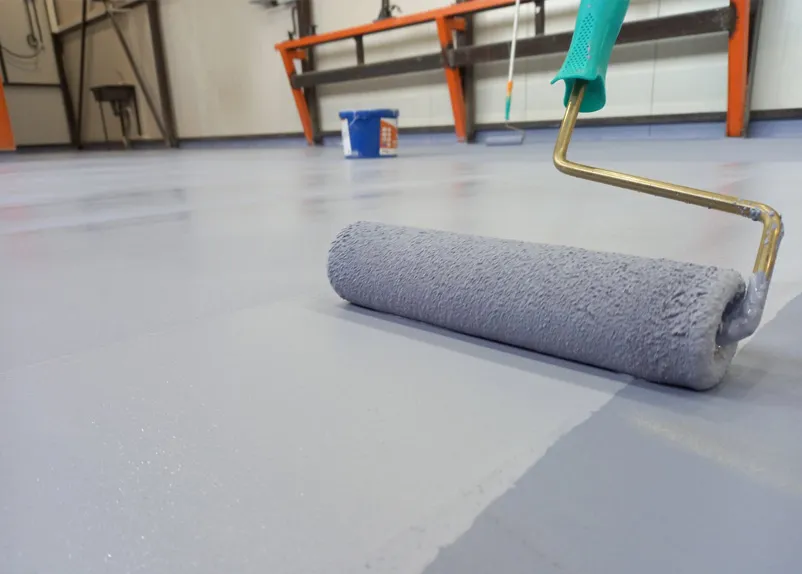
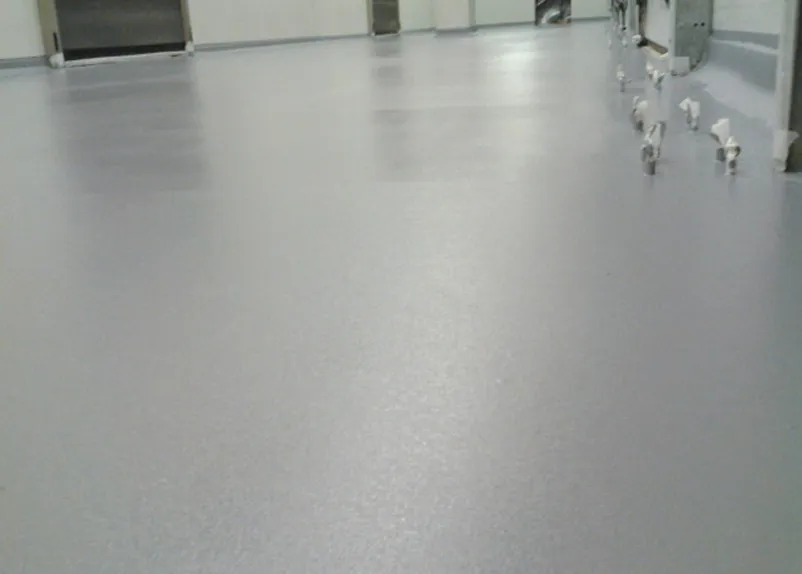
A polyurethane floor is a seamless coating based on several types of polymer. They are produced through special chemical reactions that make it possible to synthesise a compound with specific technical parameters. These surfaces have become very popular because they shrink very little and are very strong.
Applications
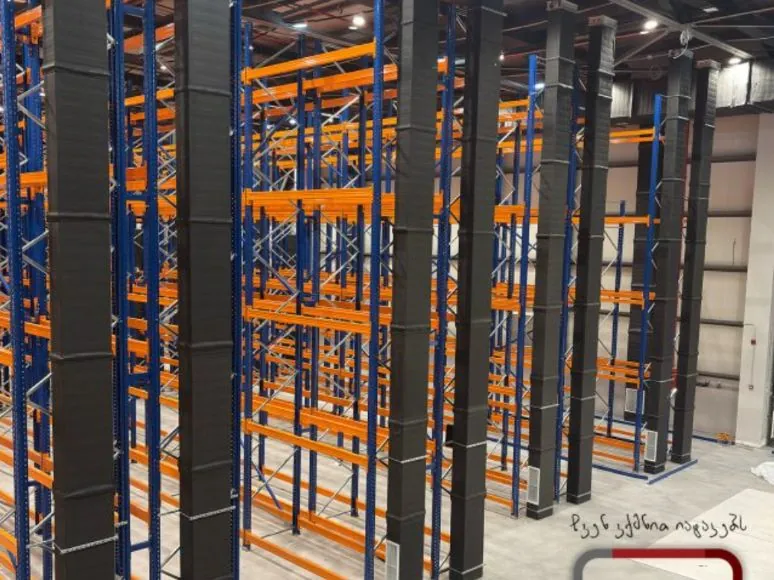
Industrial workshops and warehouses
Entertainment and shopping centres
Hospitals and clinics
Cold rooms
Car parks, garages and much more
Advantages
Elastic
Durable
Impact-resistant
Works at low temperatures
Note: we do not consider a concrete surface painted with polymer paint to be an industrial floor.
Pros and cons
A polyurethane floor has a complex structure, because many additives can be part of its composition. Each of them can radically change the properties of the surface and give it the parameters it needs.
Polyurethane floors have many advantages:
High strength combined with elasticity
A well-installed floor easily withstands static and dynamic impact
The top layer is hard to scratch or wear
Service life can exceed 10 years
Polyurethane does not absorb moisture at all
The material has a smooth, very dense surface that stops dirt from penetrating.
It resists high temperatures and aggressive compounds. A polyurethane floor does not burn, which makes it relatively safe. When the surface is heated, the material starts to melt and evaporate, releasing toxic components into the air. It can also be used at sub-zero temperatures (down to -25°C).
Polyurethane is a synthetic material and it has a number of disadvantages:
Installing a polyurethane floor is expensive, so many clients look for alternatives.
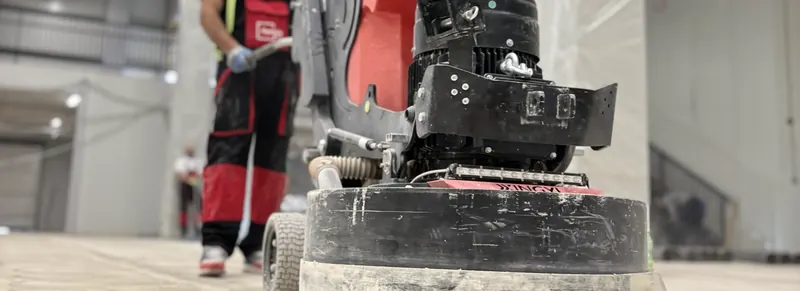
Installation requires thorough surface preparation, and the temperature should stay above zero while the work is done. It can take from 2 to 6 weeks, depending on the compounds used and the area being treated.
The floor contains a number of harmful substances, including formaldehyde, phenol and others.
Repairing a polyurethane coating is very difficult. Only minor defects can be fixed; nothing will completely remove the damage.
Installing the floor is a fairly expensive and complex process that only a team of experienced specialists can carry out to a high standard.
Frequently asked questions
How do you look after an epoxy floor?
Every floor needs some care, and an epoxy surface is no exception. It can be cleaned in two ways: mechanically and chemically. The best result comes from using both methods together.
A resin floor does not produce dust itself, but it gathers dust from other sources, and dirt particles act as an abrasive under traffic. For the pharmaceutical, cosmetics and food industries, hygienic floors are essential, which requires properly chosen cleaning equipment.
See the link below for details
Gallery