
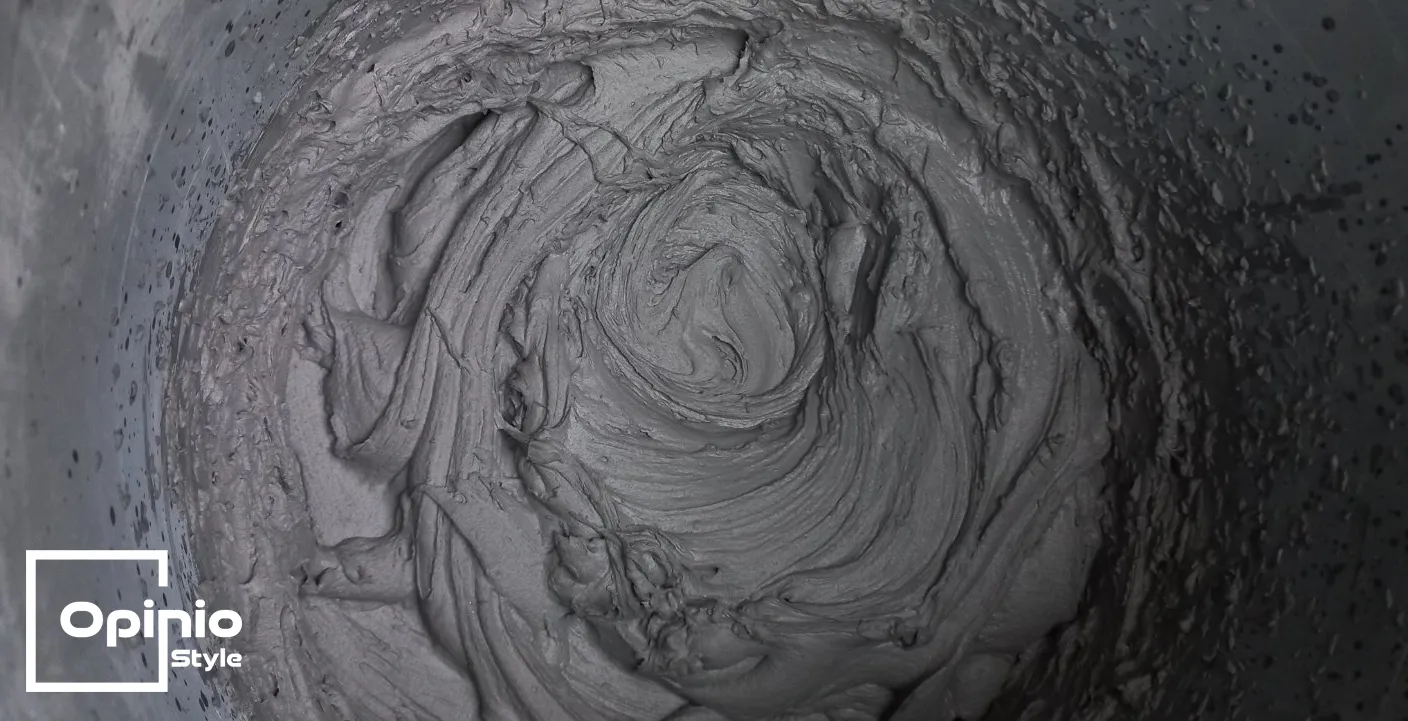
What is microcement and what should you know?
Microcement is a modern, unique material that can be used as a coating for both floors and walls. A specialised, ultra-durable material that looks like concrete, it makes it possible to create a unique, individual product with many advantages.
Microcement: what is it?
Microcement is a cement-polymer blend applied by hand, which gives a hard, durable and attractive finish. It is also worth noting that its seamless surface makes it much easier to keep a home clean.
Microcement: pros and cons
First of all, microcement is an EU-certified material. What makes it ideal is the absence of joints. This handmade material lets you create continuous, uniform surfaces without cracks or seams, and it can be used on floors and walls as well as on stairs, furniture, various objects and plasterboard walls.
Microcement is waterproof, so it works very well in kitchens and bathrooms and is ideal inside showers, where it resists stains and damp. The product comes in two base colours, white and grey, from which special pigments can produce the colour combination you want. You can also choose a texture to suit you, in different shades.
Another advantage of microcement is that it is only 3 mm thick, and there is no need to demolish the floor or wall before applying it. That makes the work much faster and less expensive than the usual process of removing and laying tiles.
Microcement is not limited to interiors. It can also be used outdoors: in the garden, on a veranda, around a pool or on the doorstep.
Among its positive properties and advantages are the following:
It resists knocks, impact and strong chemicals. It reacts very well to fire and smoke. It has very good adhesion, much stronger than floor adhesive. It conducts heat.
The downsides of microcement may seem minor, but despite its many positive qualities there are some limitations. First, it needs professional applicators: it is not an easy material to work with, so not just anyone can produce the finish. It is important to rely on experts with the right experience in surface treatment. Unlike other floor coverings, if it is damaged the whole surface has to be laid again, because a single damaged section cannot be replaced or repaired. That said, the chance of damage is very small. Microcement is a very hard material, but there are conditions where a harder product, such as cement or industrial resin, is the better choice. It is therefore most effective and appropriate where the focus is on looks and effect rather than pure practicality.
Why is microcement a good choice for bathrooms?
As already mentioned, microcement is a very hard, waterproof material that is also used in bathrooms and on the inner walls of showers. A microcement finish on bathroom walls gives a modern, unique and individual design. The seamless surface is also valued for cleanliness, and it works well in small bathrooms. It does not absorb water, resists wear and chemicals, and visually enlarges the space. Another advantage is that when renovating an old bathroom, you can avoid the noisy, tiring removal of old tiles and, in some cases, possible damage to the plumbing.
Microcement: what to avoid
There are a few precautions to remember when using and cleaning a microcement surface. For everyday cleaning you can use a vacuum cleaner, a broom or a light, gentle cloth. A small amount of cleaning liquid can also be used without problems. On floors, felt pads are recommended under chairs and furniture so they do not scratch the surface. These few measures help prevent damage to the floor and keep its original look for a long time.
More
news
View all
Ferrari showroom in Tbilisi
The construction of the official Ferrari showroom in Tbilisi has been completed. The project included full construction works, modern engineering systems and…
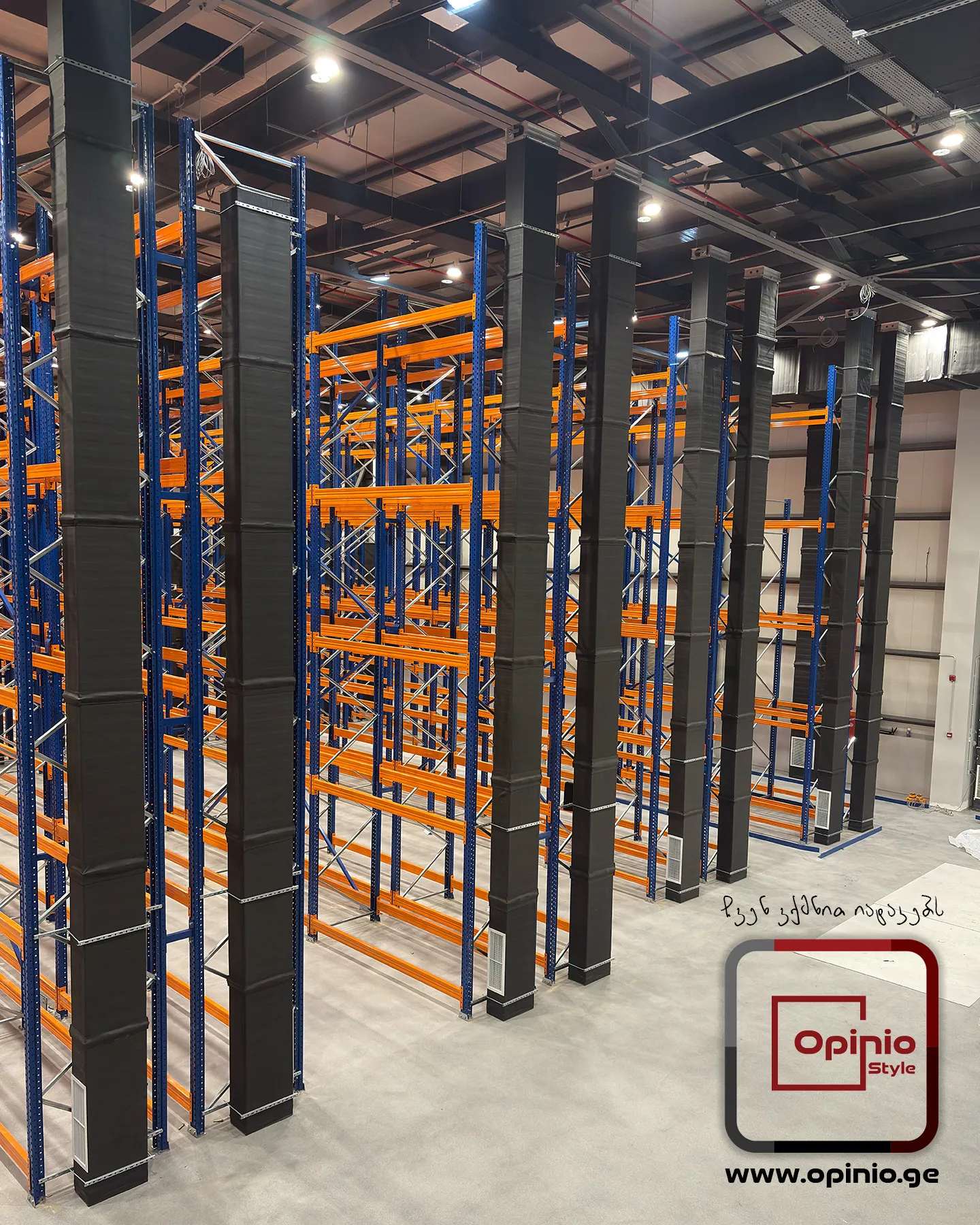
Pharmaceutical warehouse
A large space demands discipline above all, especially when medicines are involved. Our team installed an industrial floor suited to a pharmaceutical warehouse.…
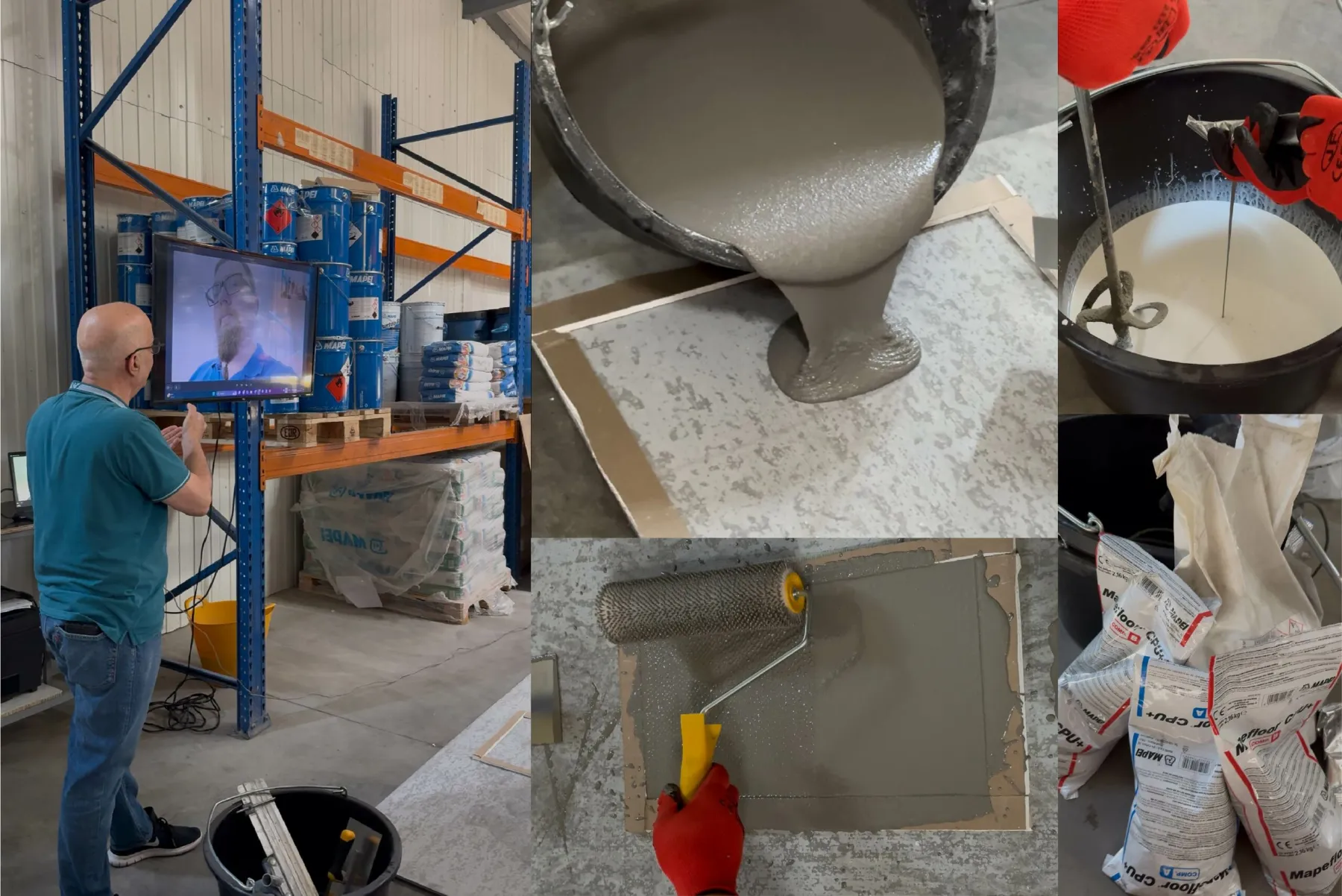
Mapei self-levelling floor workshop at GRC
Specialists from our company attended a workshop organised by GRC on the MAPEFLOOR CPU+/MF system, an easy-levelling floor coating based on polyurethane cement.